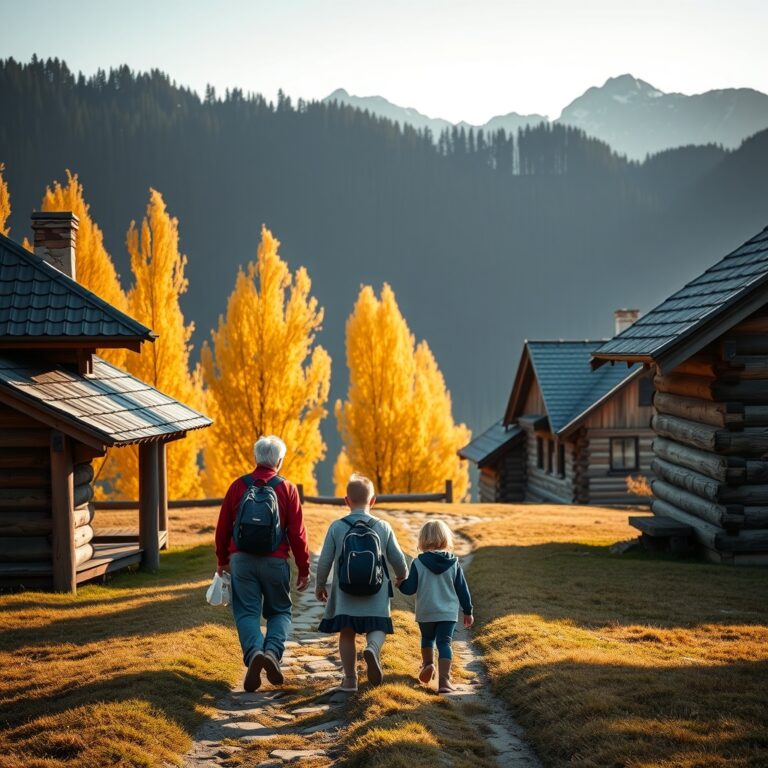
Mental health is the state in which we can cope with everyday pressures, work, keep up relationships and get back on our feet after difficult periods. It is not the absence of bad days but the ability to get through them and to look for help in time when we can no longer manage alone. In Slovenia, the first port of call is your family doctor, but you can also turn to a mental health centre, a free counselling service or a crisis helpline without a referral.
What mental health means and why it concerns everyone
Mental health is an integral part of overall health. It is shaped by sleep, diet and physical activity, but also by circumstances we cannot always choose: family relationships, working conditions, housing, financial security and a sense of belonging to a community. That is why being worn down by long-term strain is not a sign of weakness.
Problems are more common than we tend to think. In a Slovenian survey from 2022, 41% of respondents said they had experienced some form of mental distress in the previous year, and almost half of those who struggled had never sought professional help. That hesitation is the biggest obstacle: many problems are resolved faster and with fewer consequences when people talk early.
Signs that your mental health needs attention
Everyone has a bad week now and then. Distress needs more attention when changes last longer, get worse or start to interfere with daily life.
What to watch for in yourself
- persistent low mood, emptiness or irritability that does not lift after a few days,
- loss of interest in things you used to enjoy,
- changes in sleep and appetite, constant tiredness,
- trouble concentrating, forgetfulness, a feeling that you “can’t cope any more”,
- frequent headaches, stomach pain or a racing heart with no physical cause,
- withdrawing from people, drinking or using other substances more than usual,
- thoughts that everyone would be better off without you.
When it is someone close to you
In others we often notice a change in behaviour: someone who used to be sociable withdraws, neglects their responsibilities, talks about hopelessness or about being a burden. At that point a conversation is worth more than advice.
How to look after your mental health every day
There are no miracle cures, but there are habits that are proven to ease stress and build resilience. They work best when introduced gradually.
- Regular sleep. Roughly the same time for getting up and going to bed, and less screen time before sleep.
- Movement. Even half an hour of brisk walking a day, a stroll along the river or a short weekend hike lifts the mood.
- Contact with people. A phone call to a friend, a shared lunch or a visit to relatives is one of the strongest supports in hard times.
- Boundaries at work and on screens. Set times when you do not read work messages and limit news that unsettles you.
- Kindness to yourself. Do not demand too much of yourself, acknowledge small successes and rest without guilt.
- Caution with alcohol. A drink to unwind quickly becomes a habit that deepens distress.
Where to find help in Slovenia
The first step is usually your family doctor (a paediatrician for children and teenagers). Describe your symptoms as precisely as you can, including feelings of low mood or anxiety, not just headaches or sleeplessness, so they can direct you to the right specialist. If you live elsewhere in the EU, 112 is the emergency number there too, and your GP is the usual first step.

Mental health centres
Health centres across Slovenia host 19 adult mental health centres and 22 centres for children and adolescents. They are staffed by multidisciplinary teams: psychiatrists, clinical psychologists, nurses, social workers and occupational therapists. You can contact them yourself, by phone or email; no referral is needed. For children and young people, however, waiting times for specialists are still long.
Free helplines and counselling in Slovenia
| Service | Contact | When |
|---|---|---|
| Emergency services | 112 | always, in immediate danger |
| Samarijan and Sopotnik confidential helpline | 116 123 (free) | 24 hours a day |
| Crisis line (Klic v duševni stiski) | 01 520 99 00 | 7 pm to 7 am |
| TOM – helpline for children and teenagers | 116 111 (free) | noon to 8 pm |
| Posvet – network of free psychological counselling | 031 704 707 | weekdays, by appointment |
Most of these services operate in Slovenian. Teenagers can write anonymously to the To sem jaz online counselling service run by the National Institute of Public Health (NIJZ). An overview of all help resources, including by region, is collected in the MIRA network, and an updated list was also published by the Slovenian Ministry of Health for World Mental Health Day.
Psychiatrist, clinical psychologist or psychotherapist?
A psychiatrist is a medical specialist who makes a diagnosis and prescribes medication if needed. A clinical psychologist carries out psychological assessment and treatment; both are available in the public network through health insurance. Private psychotherapy in Slovenia is paid out of pocket; according to the professional association, an individual session costs roughly 50 to 120 euros. Before choosing, check the therapist’s training and membership of a professional body.
How to help someone in distress
You do not need to be an expert to help. The most important thing is to notice the change and raise it openly.
- Say what you have noticed and ask how they are. Listen, do not interrupt and do not judge.
- Avoid phrases like “it’s not that bad” or “just try harder”.
- Offer practical help: call the doctor together or go with them to the first appointment.
- If the person talks about suicide, ask them directly. Asking does not increase the risk, and it shows you care. In immediate danger, call 112 and do not leave them alone.
Frequently asked questions
Do I need a referral for a mental health centre in Slovenia?
No. You can contact an adult or child and adolescent mental health centre yourself, by phone or email. Your GP can also refer you.
When is it time to seek professional help?
When distress lasts longer than two weeks, is getting worse or interferes with work, school and relationships. Act immediately if thoughts of self-harm appear.
Is psychological help free?
Treatment in the public health network is covered by compulsory health insurance, and the crisis helplines and Posvet counselling are free too. Private psychotherapy is self-funded.
Who can I call at night if I can’t cope?
In Slovenia, the confidential 116 123 line is free and available 24 hours a day, and the 01 520 99 00 crisis line runs from 7 pm to 7 am. In immediate danger, call 112.